Polyaspartic Floor Coating Fort Mill SC for Modern Garage Floors
Polyaspartic Floor Coating Fort Mill SC for Modern Garage Floors
Blog Article
Long-lasting and Fashionable Surface Coating Solutions for All Need
Durable and stylish floor coating methods address a range of requirements in both residential and commercial spaces. The choice of materials can greatly shape not just decor, but also functionality and longevity. Factors such as foot traffic and environmental conditions play an essential role in the decision process. Comprehending these elements can lead to smarter choices. Yet, with so many options available, how does one determine the most ideal solution?
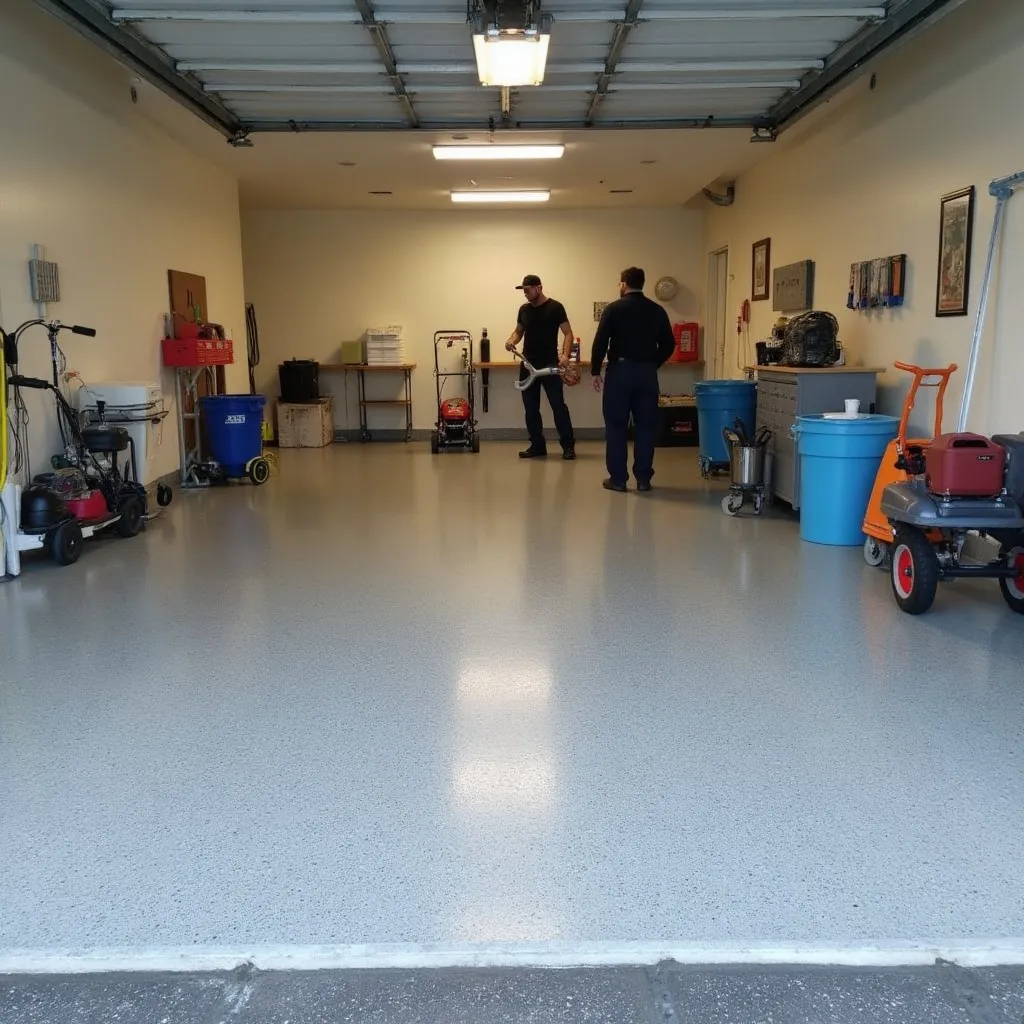
Determining the Correct Protective Finish for Your Environment
How might a person figure out the most ideal floor coating for a distinct environment? Opting for the right floor coating calls for close examination of assorted factors. First, one must analyze the space's function; residential areas may prioritize aesthetics, while industrial settings might focus on durability and safety. Next, understanding the foot traffic levels is important, as coatings differ in resilience. Environmental conditions, including moisture and temperature fluctuations, also play a significant role in coating selection.
Also, the substrate composition under the coating can determine bonding capability. For example, concrete surfaces may require specific sealers or primers. One must also consider upkeep needs; some coatings necessitate regular upkeep while others offer low-maintenance solutions. Financial constraints are equally critical, as costs can vary widely among materials. Ultimately, a well-researched decision involves balancing functionality, aesthetics, and cost-effectiveness to accomplish the desired outcome.
Remarkably Tough Surface Treatments for High-Traffic Areas
In congested spaces, the selection of floor coating significantly affects longevity and upkeep. Epoxy floor coatings are recognized for their strength and capacity to endure heavy use, while polyurethane solutions offer flexibility and protection to chemical damage. Comprehending the benefits of these options is essential for guaranteeing durable performance in demanding environments.
Epoxy Floor Coatings
Epoxy floor coatings count as a high-quality choice for busy environments due to their exceptional durability and resilience. Engineered from a combination of epoxy resins and hardeners, these coatings create a resilient surface that can manage heavy foot and vehicle traffic without showing wear. The smooth application method minimizes joints and seams, reducing the likelihood of water infiltration and mold growth. Additionally, epoxy coatings display impressive resistance to chemicals, stains, and impacts, making them optimal for industrial, commercial, and residential environments. Their glossy finish enriches aesthetics while ensuring slip resistance, promoting safety. Overall, epoxy floor coatings deliver a practical and visually appealing solution for spaces requiring long-lasting performance.
Polyurethane Floor Choices
Polyurethane floor treatments emerge as a leading choice for environments that require outstanding durability and resilience. These finishes are particularly appropriate for busy areas, including commercial spaces, warehouses, and industrial facilities. Their robust composition guarantees robust protection against abrasions, chemicals, and UV exposure, assuring durable performance. Additionally, polyurethane coatings provide flexibility, facilitating them to withstand impacts without cracking or peeling. The beauty of these solutions is highly relevant, since they are available in various colors and finishes, enhancing the overall ambiance of any space. Moreover, their convenient maintenance positions them a sound choice for busy environments, lowering downtime and upkeep costs. As a result, polyurethane floor solutions function as an ideal choice for demanding applications.
How to Choose Stylish Floor Coatings That Fit Your Space?
Picking the ideal flooring solution can considerably improve the visual appeal and utility of a room. First, evaluating the room's purpose is critical; high-traffic areas may need robust solutions, while more stylistic spaces can emphasize visual appeal. Color selections and aesthetic choices should guide the selection process; understated colors often offer adaptability, while bright colors can deliver a powerful effect.
Texture represents an essential aspect; glossy finishes can add a modern flair, while matte options may deliver warmth and coziness. Considering lighting is critical, as different coatings can reflect light differently, shaping the overall ambiance. Moreover, maintenance requirements should not be neglected; some coatings demand more attention than others.
In the end, collaborating with professionals can furnish beneficial knowledge into the best materials fitting for specific environments, ensuring a harmonious blend of design and utility in any preferred floor coating.
Top Eco-Friendly Floor Coatings for Green Lifestyle
Eco-conscious floor coatings offer numerous gains, encompassing reduced environmental impact and superior indoor air quality. Various sustainable materials are obtainable, each furnishing unique advantages for assorted contexts. Comprehending application tips can also strengthen the persistence of these coatings, safeguarding a lasting input to sustainable living.
Advantages of Sustainable Coatings
As interest in sustainable living continues to grow, the benefits of green floor coatings are more noticeable. These coatings often consist of biological components and safe formulations, lowering pollutants and promoting better indoor air quality. Their durability provides long-lasting performance, minimizing the need for frequent replacements and thereby decreasing environmental impact over time. Additionally, environmentally friendly coatings can enhance energy efficiency by reflecting light and preserving appropriate temperatures within a space. Furthermore, many of these products are biodegradable, ensuring that they do not contribute to landfill waste. By opting for sustainable options, consumers not only support a healthier environment but also invest in stylish, premium flooring solutions that align with their values of sustainability and responsible living.
Top Green Material Options
The increasing focus on sustainable living has prompted an exploration of various environmentally responsible floor coating options. Natural materials such as bamboo and cork have become increasingly popular due to their renewable nature and low ecological footprint. Additionally, polyurethane coatings made with water are praised for their low volatile organic compound (VOC) emissions, rendering them a healthier option for indoor spaces. Recycled rubber flooring also presents itself as a sustainable option, using recovered materials while providing durability and comfort. Moreover, plant-based epoxies are increasingly favored for their eco-friendly properties, combining strength with a reduced environmental footprint. These sustainable choices not only enhance the aesthetic appeal of spaces but also contribute positively to the planet, aligning with the growing demand for responsible living solutions.
Recommendations for Longevity Submissions
The process of applying eco-friendly floor coatings demands careful attention to detail to ensure lasting outcomes. Surface preparation must be proper and mandatory; this involves cleaning and repairing any imperfections to enable ideal adhesion. Monitoring temperature and humidity levels is important, as they greatly impact drying times and the curing process. Using high-quality applicators, such as rollers or brushes, can enhance the finish and promote even application. It is advisable to apply several thin coats rather than a single thick layer to reduce bubbling and improve longevity. Vacations in drying time between coats should be sufficient, according to the manufacturer's guidelines, which is necessary. Finally, regular maintenance, including cleaning with gentle, eco-friendly products, will help prolong the life of the coating and maintain its aesthetic appeal.
Cost-Effective Flooring Alternatives
Many property owners seek budget-friendly flooring options that provide both longevity and aesthetic appeal. Vinyl plank flooring has gained popularity due to its moisture protection and variety of styles, mimicking natural wood or stone without the expensive price tag. Laminate flooring provides a comparable look, featuring a sturdy finish that resists damage and marks, making it ideal for busy spaces.
Moreover, cork flooring is an sustainable choice, celebrated for its comfort and temperature-regulating properties. It is also protected to mold and mildew, suitable for damp environments. For those interested in an even more affordable solution, painted concrete can transform a basic slab into a stylish floor, permitting for creative designs.
These options not only stay within budget constraints but also deliver the required durability to withstand everyday wear and tear, proving that quality flooring can be accessible without compromising style.
Applying Your New Floor Coating Guide
Putting in a new floor coating demands meticulous planning and close attention to ensure a lasting finish. First, the existing floor must be completely scrubbed to remove dust, dirt, and any contaminants. This may involve sweeping, vacuuming, and mopping. Once the surface is clean, any cracks or imperfections should be repaired to ensure a even foundation.
Next, the suitable undercoat should be used, customized to the distinct form of layer picked. Following the base coat's curing period, the true floor sealant can be administered using a brush or roller, securing uniform distribution. It is essential to comply with the maker's guidelines regarding coat thickness and drying time.
When the first layer has hardened, a extra coat could be necessary for improved resilience. Finally, ensuring enough drying time before heavy foot traffic is crucial to sustain the integrity of the new floor coating.
Straightforward Strategies for Keeping Your Floors Looking Wonderful
Following proper installation of a new floor coating, maintaining its appearance becomes essential. Frequent cleaning is vital; sweeping or vacuuming every day takes out dirt and debris that can scratch the surface. For more thorough cleaning, using a pH-neutral cleaner with a damp mop ensures the coating's finish stays protected without causing damage.
Moreover, laying mats at entryways minimizes the amount of dirt tracked onto the floors. It is wise to avoid harsh chemicals and abrasive tools, as they can deteriorate the coating over time. Spills should be cleaned promptly to prevent staining.
In addition, routine examinations for wear patterns can help uncover defects before they escalate. If called for, administering a fresh coat of protective finish can enhance the floor's condition and extend its durability. By implementing these straightforward maintenance tips, one can confirm that their floor coating maintains presentable and operational for years to come to come.

Questions That Are Frequently Inquired About
How Long Do Different Floor Coatings Typically Last?
Multiple coating options typically persist between five to twenty years, determined by the material and usage. For instance, epoxy can last up to ten years, while polyurethane may endure up to twenty with regular care.
Can Floor Coatings be applied Over Existing Flooring?
Yes, floor coatings can usually be applied over existing flooring, provided that the surface is clean, dry, and in good condition. Thorough preparation is essential to ensure adhesion and longevity of the new coating.
What Maintenance Is Required for Various Protective Finishes?
Maintenance for floor coatings varies: epoxy requires frequent cleaning and periodic recoating, while polyurethane demands gentle cleaning free from harsh chemicals. Vinyl coatings require simple concrete resurfacing Fort Mill SC sweeping and mopping to preserve their look and durability.
Are There Any Health Risks Linked to Floor Coatings?
Various flooring finishes may pose health risks, including breathing problems or skin sensitivity, chiefly due to VOCs (VOCs). Adequate ventilation and compliance with safety protocols can reduce these possible hazards during use and application.
How Might Temperature and Humidity Determine Floor Coating Success?
Temperature and humidity are essential for floor coating structural integrity. High humidity may increase the time required for drying, while extreme temperatures can affect adhesion and cure rates, which may cause reduced toughness and surface appearance over time.
Report this page